

Volvo CE Leads the Charge in Sustainable Construction Equipment
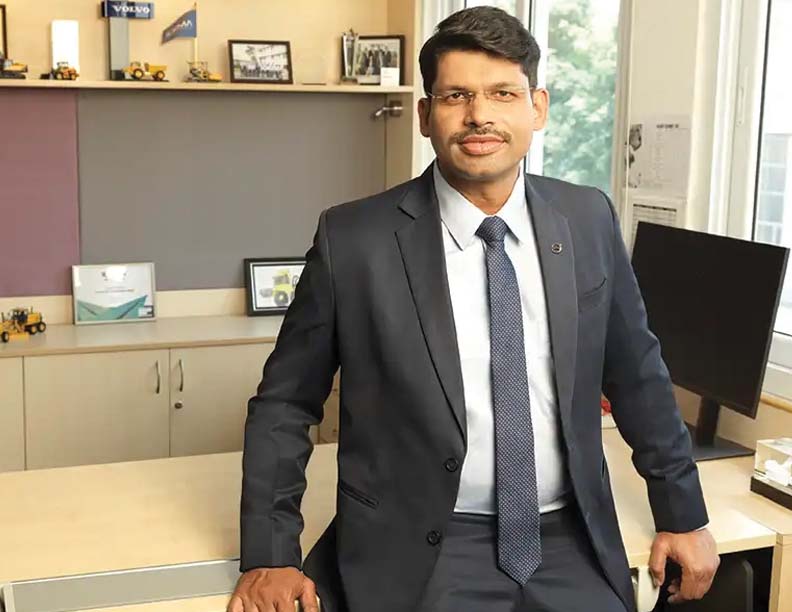
According to Mr. Dimitrov Krishnan, Managing Director, Volvo Construction Equipment – India Business and Chairperson, Infrastructure Equipment Sector Council, Volvo Construction Equipment is steering India’s construction industry toward a greener future with electric excavators and loaders tailored for the nation’s terrains. From mining belts to smart cities, the company’s India-for-India design approach, rigorous field testing, and sustainable technology are shaping efficient, reliable, and future-ready equipment solutions.
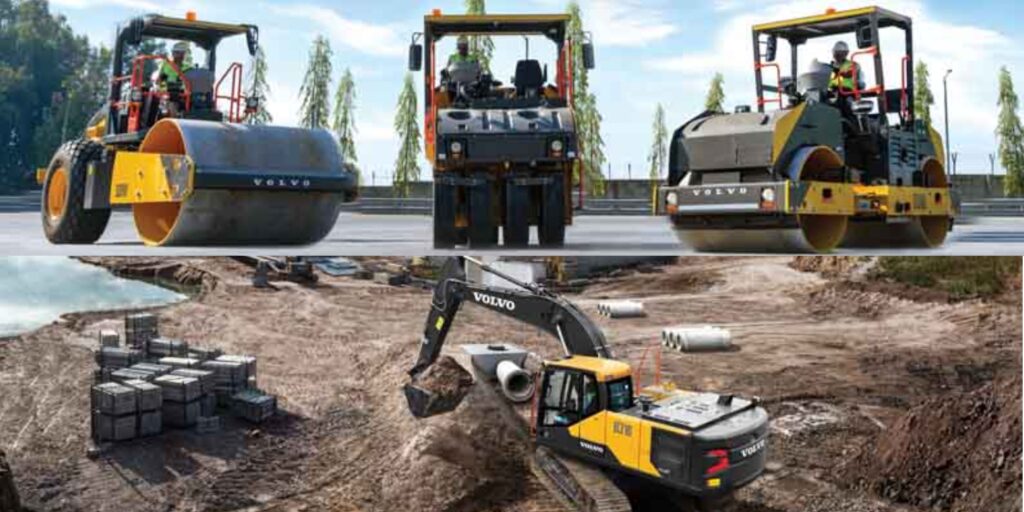
Volvo CE has been developing electric excavators and loaders. How are these machines customized for India’s terrains—from mining belts to dense urban sites?
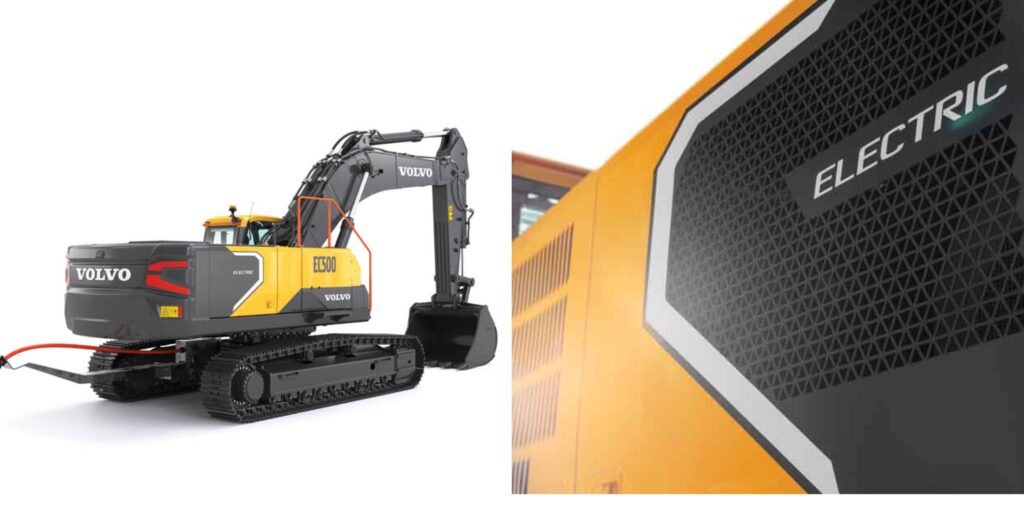
At Volvo CE, we are committed to sustainable innovation tailored to India’s diverse terrains. The Electric EC500, with its continuous cable connection, is the perfect choice for static applications, helping customers work more sustainably while boosting productivity and lowering operating costs. Alongside this, our fuel-efficient large excavators and rigid haulers continue to deliver reliability in mining belts, while in urban areas, our electric compact excavators and loaders are proving ideal with low noise and zero emissions for projects like metros and smart cities. We are also working with partners to develop the right charging infrastructure and service support to enable smooth adoption in India.
Please explain the India-for-India design strategy and how local R&D, field testing, and contractor feedback are shaping product specifications.
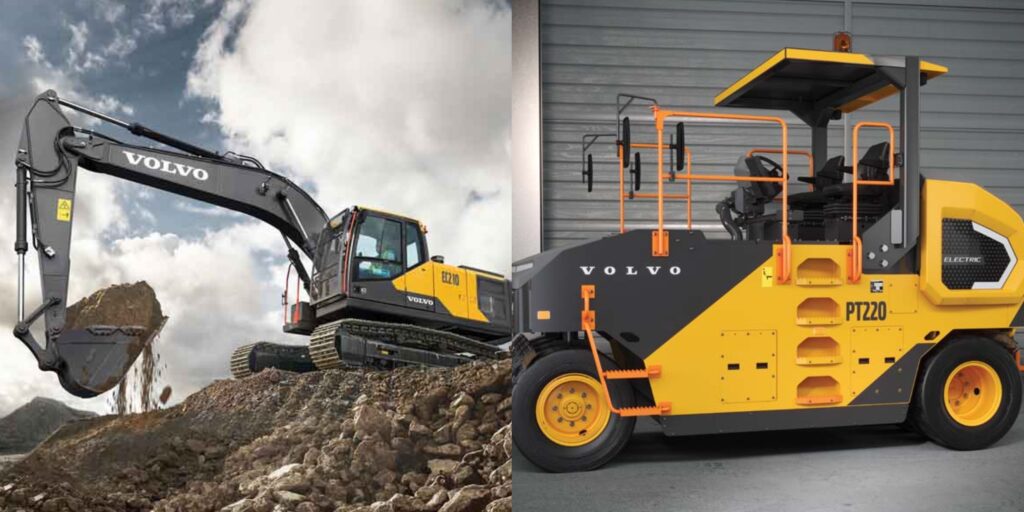
Our product development has been based on the India-for-India approach. The main centre of our facility in Bengaluru, the Peenya Plant, is where Volvo’s global standards are joined to the local engineering and knowledge. The EC210 serves as the prime example, as it is manufactured in India and the greater part of it (over 70 percent) is localized and adapted to the needs of aggregates and middle-scale mining. Customer feedback has enabled it to optimize its hydraulics and engine calibration, with up to 10% higher fuel efficiency. Making our machines based on local realities will mean that our machines will not only meet the expectations of the Indian contractors on the performance, but also on the costs of the equipment.
What have been the engineering challenges in adapting electric construction equipment to India’s extreme conditions—such as heat, dust, slopes, or rocky soil?
The changes to electrics to suit Indian conditions have included dealing with hot climate, dense dust in mining areas and rough roads. Cooling systems are stiffened to withstand long-term exposure over 45 °C. Dust-intensive conditions (e.g., coal, iron ore belts, etc.) are improved with filtration and sealing. Powertrain calibration is changed according to the slopes and rocky terrain, which makes it more stable and efficient. They are not generic solutions but the solutions that were developed after employing stringent testing of prototypes in real Indian mines and construction sites.
Customer trials are already underway. What are you hearing from early adopters in terms of machine performance, reliability, and productivity?
The learnings from our initial deployments have been both inspiring and insightful. In Goa, where Vedanta Iron Ore has been piloting the EC55 Electric Excavator and Electric Wheel Loader, customers have quickly recognized the immediate benefits, zero tailpipe emissions, reduced noise, and less dust, critical factors in environmentally sensitive areas. At the same time, they value these machines to deliver productivity comparable to other larger machines. These pilots are also helping us and our customers gain valuable experience in preparing the necessary infrastructure, enabling better planning for scaling up in the future.
How do you see electric construction equipment helping contractors to manage emissions and noise, and their total cost of ownership?
Electric construction equipment offers contractors a threefold advantage. First, it helps them significantly reduce emissions and noise, which is especially valuable in urban projects, environmentally sensitive zones, and meeting stricter sustainability regulations. Second, these machines deliver a lower total cost of ownership through reduced fuel use, fewer moving parts, and lower maintenance, and with models like Volvo CE’s Equipment-as-a-Service (EaaS), a flexible model that allows customers to pay for equipment use rather than outright ownership. This not only eases upfront investment but also gives contractors access to the latest technology, uptime support, and predictable operating costs. Finally, electric machines create new opportunities as more projects increasingly demand sustainable practices. At Volvo CE, we see this transition as an environmental win and a strong business case for our customers.
With India’s EV regulations and incentives expanding beyond passenger vehicles, how important is this moment for the construction equipment industry?
It is a pivotal moment. The policies of the government concerning the Stage V emission norms, the use of clean energy, and the slow extension of EV incentives within the non-passenger vehicles are in the correct direction. In the case of construction equipment, this forms the basis of the faster electrification in a more organized manner. The pace of such alignment will depend on how well the policy is aligned with infrastructure preparedness, but the direction is definite, i.e. the electric machines are no longer considered as something of the future; they exist and are already in operation in India.
Looking at the roadmap, when do you expect electric construction machines to move from pilot projects to mainstream deployment across India’s infrastructure landscape?
The trend is towards a shift in the next three to five years. With successful mining and urban construction pilots, and site power accessibility increasingly more dependable, we will find more people adopting this. Contractors already are thinking of their fleets with future compliance and ESG obligations in mind. When the infrastructure bottlenecks are alleviated, mainstreaming of electric machines will simply be a matter of when, rather than whether, and we have solutions that are tried and tested and have been tested in the field.
How do you see Volvo CE balancing sustainability goals with the commercial realities of India’s fast-paced and cost-sensitive construction market?
Striking a balance between these priorities is concerned with offering two-fold options. On one hand, we are proceeding with cleaner diesel machines such as the EC210, EC480DL and EC750DL- which will not only be fuel economical but long lasting with competitive lifetime value. On the other hand, we are scaling our electric portfolio to contractors and mining companies that are willing to make the move. This balance gives us the ability to serve the growth of the infrastructure of India today and help the industry have a more sustainable tomorrow. It is not the question of choosing between them but providing customers with the appropriate solution to their situation.