

Mother India Forming Sets New Benchmarks in Steel Innovation and Sustainability
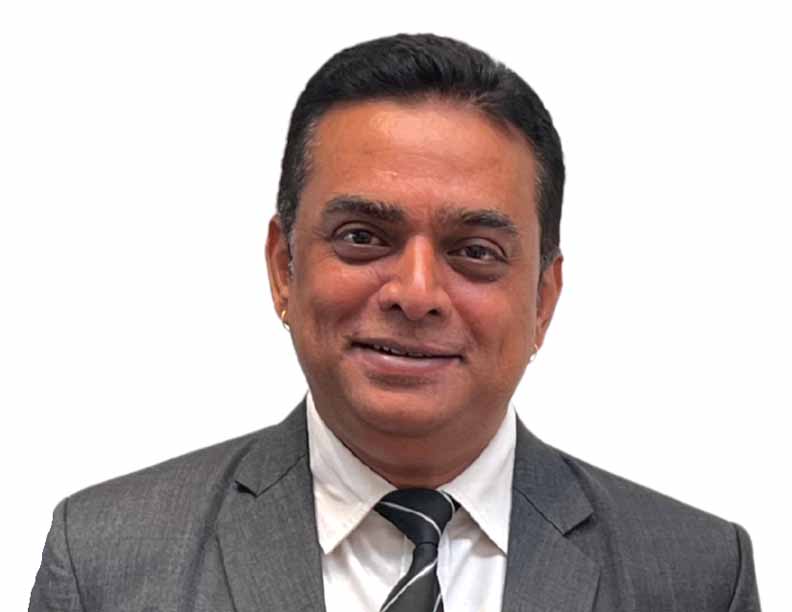
Mother India Forming (MIF) is redefining the landscape of steel profile manufacturing with cutting-edge innovation, sustainability goals, and a strong commitment to “Make in India.” From zero-carbon initiatives to precision roll-forming powered by Industry 4.0, MIF’s integrated approach—spanning R&D, design, and production—delivers world-class components to OEMs globally, ensuring safety, efficiency, and environmental responsibility at every step.
How does Mother India Forming ensure the quality and safety compliance in operator cabins and formworks?
MIF ensures quality and safety by adhering to stringent international standards. Our operator cabin components comply with ROPS and FOPS regulations for rollover and falling object protection. We maintain a certified quality management system (ISO/IATF) so every profile and part meets relevant safety codes. With in-house tooling and testing, we precisely align each roll-formed component to required tolerances, guaranteeing reliability in the field. This rigorous approach to quality control ensures our cabin and formwork components deliver the highest safety performance.
Can you elaborate on the role of your in-house R&D facility in developing customized steel profiles?
Our dedicated R&D facility enables us to design and customize steel profiles to exact OEM requirements. By investing in R&D since 2016, we’ve developed innovative roll-forming techniques and even tailor our machines and tools for unique profile shapes. We use advanced CAD modelling and simulation to optimize profiles virtually before manufacturing, enhancing performance and reducing trial-and-error. This in-house R&D capability allows MIF to rapidly prototype and deliver specialized, high-quality components to our customers.
What are the key advantages of your “Concept to Component” approach for OEMs?
Mother India Forming’s “Concept to Component” approach provides OEMs with a one-stop solution from design through production. We partner with clients right from the concept stage, using advanced simulation and CAD tools to develop and validate designs virtually. Once optimized, we manufacture the component in-house, including processes like precision roll forming, bending, laser cutting, and weld assembly, which gives OEMs greater control over quality and cost. This end-to-end capability accelerates development cycles and ensures that the final product meets all specifications without the inefficiencies of multiple vendors.
What specific measures have you implemented to achieve the goal of a zero-carbon footprint by 2040?
Mother India Forming has launched multiple green initiatives to achieve a zero-carbon footprint by 2040. We generate clean energy in-house with solar rooftop installations, cutting reliance on fossil fuels. Our offices are nearly paperless to reduce waste, and we even built worker housing near the factory to reduce daily commuting emissions. We nurture a 16 thousand square meter urban forest which is a great carbon sink next to our factory. In our plants, we’ve upgraded to energy-efficient processes and machinery to lower power consumption. We also localize production and sourcing to minimize transport-related emissions, all contributing to our 2040 carbon-neutral goal.
How does your use of solar rooftop panels and recycling initiatives contribute to environmental sustainability?
Our 150 KW solar rooftop panels now generate a substantial share of our plant’s power and we are upgrading to a 1.5 MW generation by 2026, directly offsetting fossil-fuel energy, and cutting carbon emissions. We also have in place water recycling and conservation measures. Additionally,
We have robust steel scrap recycling from our production lines which reduces waste and decreases the need for new raw materials and energy, further contributing to environmental sustainability in our manufacturing process.
In what ways do you pursue the “Make in India” initiative, and how does local production benefit both domestic and international clients?
Mother India Forming actively supports the “Make in India” initiative by manufacturing locally, which benefits both domestic and global clients. Local production means our customers enjoy lower costs, faster delivery, and easier communication for custom requirements. With manufacturing and quality assurance done in India, we uphold international standards without reliance on imports. This approach also boosts the local economy – creating jobs and skill development – and ensures supply chain reliability for clients. Furthermore, by avoiding long-distance import logistics, we reduce transportation emissions for a greener footprint.
How has the integration of Industry 4.0 technologies, such as IoT sensors and data analytics, enhanced MIF’s manufacturing efficiency and product quality?
Mother India Forming has integrated Industry 4.0 technologies to make manufacturing smarter and more efficient. We deploy IoT sensors on our machinery to capture real-time performance data, and use data analytics to optimize production workflows. This means we can detect and address process bottlenecks or equipment issues early, reducing downtime and waste. By leveraging these digital tools, we have improved operational efficiency and even lowered energy consumption. The result is a more consistent production process with high precision, which translates into improved product quality and reliability for our customers.
What are the key factors contributing to annual growth, and how do tools like CAD/CAM/ CAE tools aid in optimizing design workflows? Mother India Forming’s strong annual growth is driven by innovation, strategic expansion, and technology adoption. We continually broaden our product line and invest in R&D to address customer needs, while forging strategic partnerships and increasing capacity to meet rising demand. Additionally, we optimize our design workflows with advanced CAD/CAM/CAE tools. By digitally prototyping and simulating components in 3D, our engineers can refine designs virtually and reduce development iterations. This streamlining
of the design process accelerates time-to-market and ensures high-quality components, contributing to our sustained growth.